
Bog myrtle, or Myrica gale, is a versatile and fragrant plant that has been used for centuries in various applications. This small, deciduous shrub has a rich history and a wide range of uses, from medicinal remedies to culinary delights. In this article, we will dive into the fascinating world of bog myrtle, exploring its history, botanical description, habitat, growing conditions, and many uses.
History Of Bog Myrtle
Ancient Uses
The use of bog myrtle dates back to ancient times, with evidence suggesting its medicinal and spiritual uses by various cultures. It was known for its potent fragrance and various healing properties, often used as a natural remedy for a variety of ailments.
Medicinal Uses
Throughout history, bog myrtle has been used as a remedy for digestive issues, skin ailments, and respiratory problems. Its leaves and flowers contain essential oils that have been employed in traditional medicine for their anti-inflammatory, antimicrobial, and analgesic properties.
Spiritual and Cultural Significance
In addition to its medicinal uses, bog myrtle played a role in spiritual and cultural practices. The plant was often used in rituals and ceremonies, and its fragrant branches were used to ward off evil spirits and protect homes.

Botanical Description
Leaves
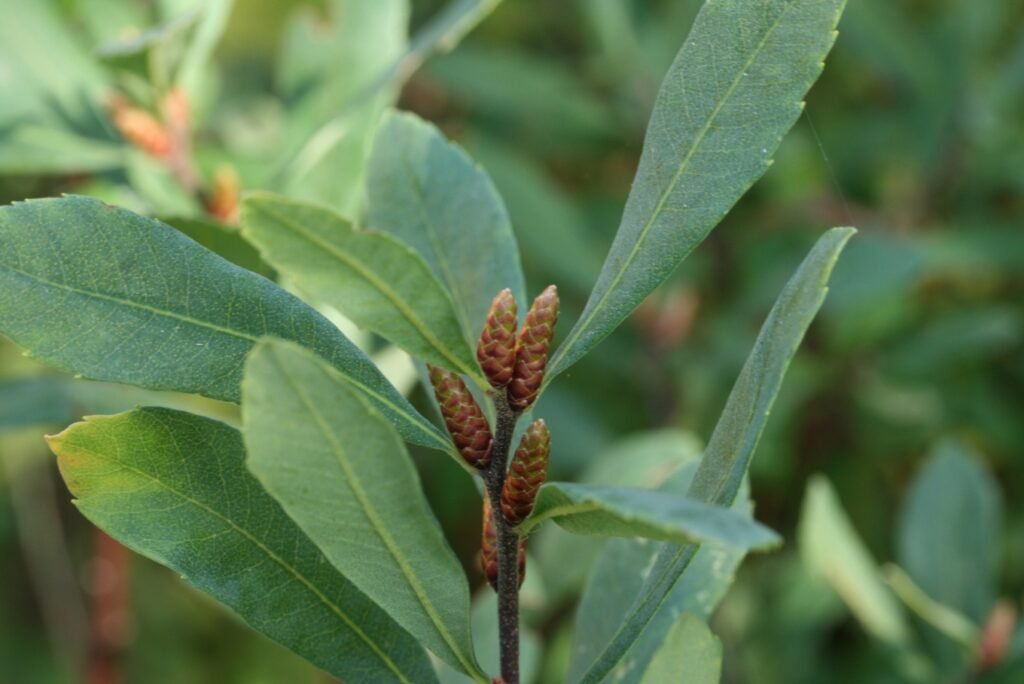
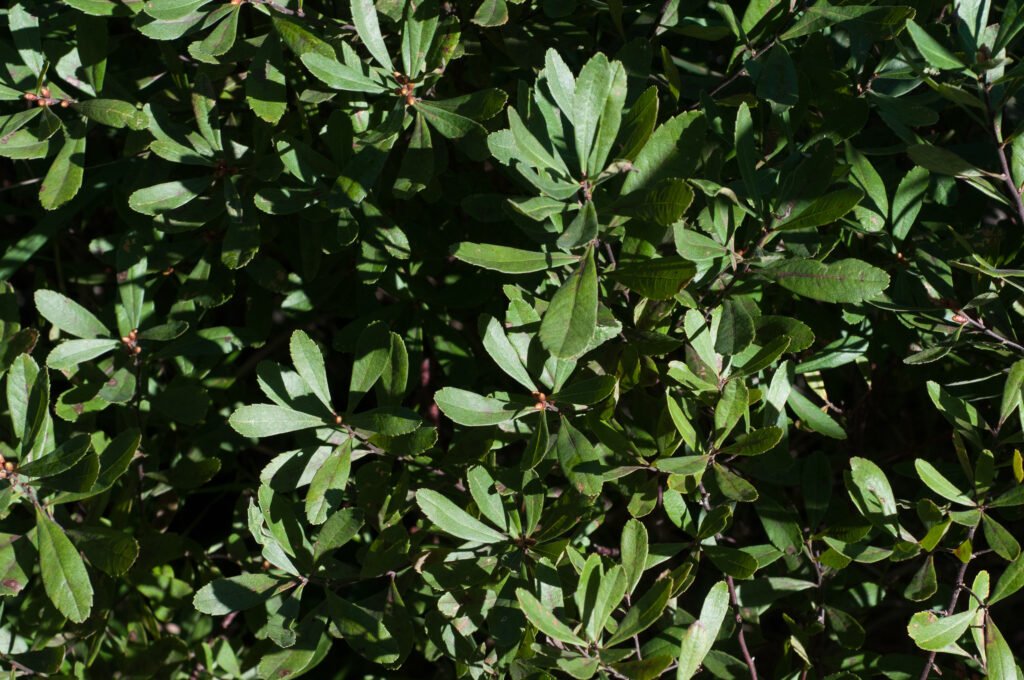
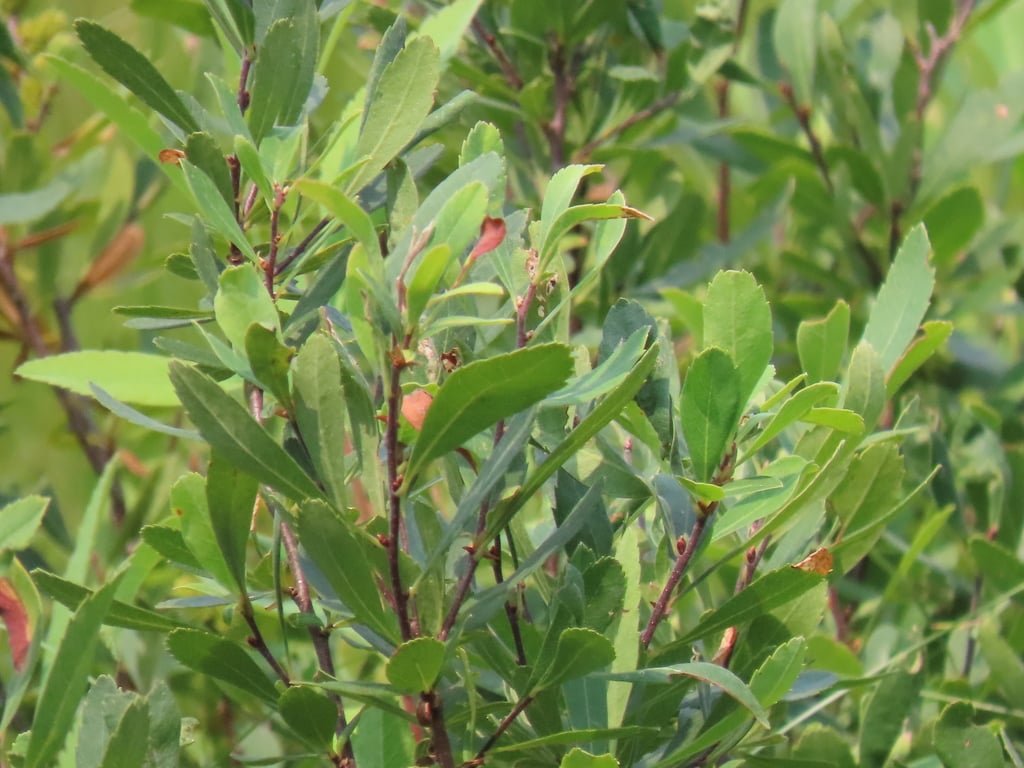
Bog myrtle has simple, alternate leaves that are dark green and glossy on the upper side, with a lighter, greyish-green colour on the underside. The leaves are lance-shaped, measuring about 1 to 3 inches in length, and are dotted with resinous glands that release a strong, sweet scent when crushed.
Flowers
The flowers of bog myrtle are small, yellowish-green catkins that appear in the spring. They are unisexual, with male and female flowers found on separate plants. The male catkins are larger and more conspicuous, while the female catkins are smaller and often hidden by foliage.
Fruit
The fruit of bog myrtle is a small, spherical, and waxy drupe that turns brown as it matures. These fruits are not commonly consumed by humans but are eaten by various bird species.
Bog Myrtle Habitat and Range
Habitat Requirements
Bog myrtle thrives in wet, acidic habitats such as bogs, fens, and swampy woodlands. It prefers damp, peaty soils and can often be found along the edges of streams and ponds. The plant is also tolerant of nutrient-poor conditions and can survive in harsh environments.
Geographic Range
Bog myrtle is native to northern Europe, including the British Isles, Scandinavia, and parts of Russia. It has also been introduced to North America, where it is found in eastern Canada and the northeastern United States.
Growing Bog Myrtle
Choosing a Site
To grow bog myrtle, choose a site with moist, acidic soil and plenty of sunlight. The plant can tolerate partial shade but will produce the best growth and fragrance in full sun.
Propagation Methods
Bog myrtle can be propagated through seeds, cuttings, or layering. Seeds can be sown in the fall, while cuttings should be taken in late summer or early fall. Layering involves bending a branch to the ground and covering it with soil, allowing it to take root and form a new plant.
Soil and Water Needs
Bog myrtle prefers acidic, peaty soil that remains consistently moist. Ensure proper drainage to prevent waterlogging, which can lead to root rot. Regular watering is essential, especially during periods of drought.
Planting and Maintenance
Plant bog myrtle in the early spring or fall, spacing the plants about 3 to 6 feet apart. Prune the shrub annually in late winter or early spring to maintain its shape and encourage new growth. Keep an eye out for pests and diseases, which can be controlled with organic or chemical treatments if necessary.
Pests and Diseases
Bog myrtle is relatively resistant to pests and diseases. However, it may occasionally suffer from leaf spot, rust, or aphid infestations. Monitor the health of the plant and address any issues promptly to ensure a healthy, thriving shrub.
Medicinal Properties Of Bog Myrtle
Anti-inflammatory and Analgesic
The essential oils present in bog myrtle have been found to exhibit anti-inflammatory and analgesic properties, making it useful for treating conditions such as arthritis, muscle pain, and headaches.
Antimicrobial and Antiviral
Bog myrtle has been traditionally used to treat skin infections and wounds due to its antimicrobial and antiviral properties. The plant’s essential oils have been found to be effective against a range of bacteria, fungi, and viruses.
Insect Repellent
One of the most notable uses of bog myrtle is as an insect repellent. Its strong scent is effective at repelling mosquitoes, midges, and other biting insects, making it a popular ingredient in natural insect repellents.
Antioxidant and Cancer Prevention
Research has shown that bog myrtle contains compounds with antioxidant properties, which may help protect against cellular damage and reduce the risk of cancer.
Culinary Uses Of Bog Myrtle
Beverages
Bog myrtle has been used to flavour beverages, such as beer and mead, for centuries. Its fragrant leaves and flowers impart a unique, aromatic flavor to these drinks.
Flavouring Agent
The leaves and flowers of bog myrtle can also be used to flavour dishes, such as stews, soups, and sauces. The plant’s distinctive fragrance adds depth and complexity to a variety of recipes.
Preservatives
Historically, bog myrtle has been used as a natural preservative in food storage. Its antimicrobial properties help to extend the shelf life of perishable items, such as meat and fish.
Other Uses
Perfumes and Cosmetics
The aromatic essential oils extracted from bog myrtle have been used in the creation of perfumes and cosmetics. Its unique scent adds a touch of natural fragrance to various products, including soaps, lotions, and candles.
Traditional Crafts
In some cultures, bog myrtle has been used for traditional crafts, such as basket weaving and rope making. Its flexible branches can be woven together to create a variety of functional and decorative items.
Environmental Benefits
Bog myrtle plays an important role in the ecosystems it inhabits, helping to stabilize the soil and prevent erosion. The plant also provides food and shelter for various bird species and other wildlife, contributing to biodiversity.
Conservation Status
While not considered endangered, bog myrtle is scarce in England and susceptible to habitat loss due to drainage and peat extraction. Conservation efforts have been made to protect and restore its natural habitat, ensuring the survival of this unique and beneficial plant.
Bog Myrtle FAQ’s
What does bog myrtle smell like?
Bog myrtle has a sweet, resinous scent with hints of camphor and eucalyptus. Its fragrance is strong and refreshing, making it a popular choice for perfumes and cosmetics.
Can bog myrtle be used in cooking?
Yes, bog myrtle can be used as a flavouring agent in various dishes, such as soups, stews, and sauces. Its leaves and flowers impart a unique, aromatic flavour that adds depth and complexity to recipes.
Is bog myrtle safe to use medicinally?
Bog myrtle has been used traditionally for its medicinal properties, but it’s essential to consult a healthcare professional before using it to treat specific conditions. Some individuals may be allergic or sensitive to bog myrtle, so it’s important to use caution and start with a small amount to test for any adverse reactions.
How can I grow bog myrtle in my garden?
To grow bog myrtle, choose a site with moist, acidic soil and plenty of sunlight. Propagate the plant through seeds, cuttings, or layering, and ensure proper drainage and regular watering. Prune the shrub annually to maintain its shape and encourage new growth.
Are there any pests or diseases that affect bog myrtle?
Bog myrtle is relatively resistant to pests and diseases, but it may occasionally suffer from leaf spot, rust, or aphid infestations. Monitor the health of the plant and address any issues promptly to ensure a healthy, thriving shrub.
Conclusion
Bog myrtle is a remarkable plant with a rich history and a multitude of uses. From its medicinal properties to its culinary and aromatic applications, this versatile shrub has been cherished for centuries. By cultivating and preserving bog myrtle, we can continue to enjoy its many benefits while protecting the unique habitats it calls home.

Ash is a contributing author who has been writing about wildlife for as long as he can remember. He has a vast knowledge of many different types of animals, from the tiniest shrews to the great whales that live in the deepest oceans.
I’ve been looking for an insect repellent that’s non-toxic. Thank you for all this info – wonderful. (Though I have yet to find bog myrtle near us in France; it grows on Dartmoor where I used to live.)
You’re welcome Roselle 🙂