
The mouse spider (Missulena) is a fascinating and often misunderstood creature. This article delves into their identification, habitat, distribution, venom, and behaviour, providing valuable information for anyone interested in these intriguing arachnids. Let’s take a closer look at the world of the mouse spider.
Identification
Physical Characteristics
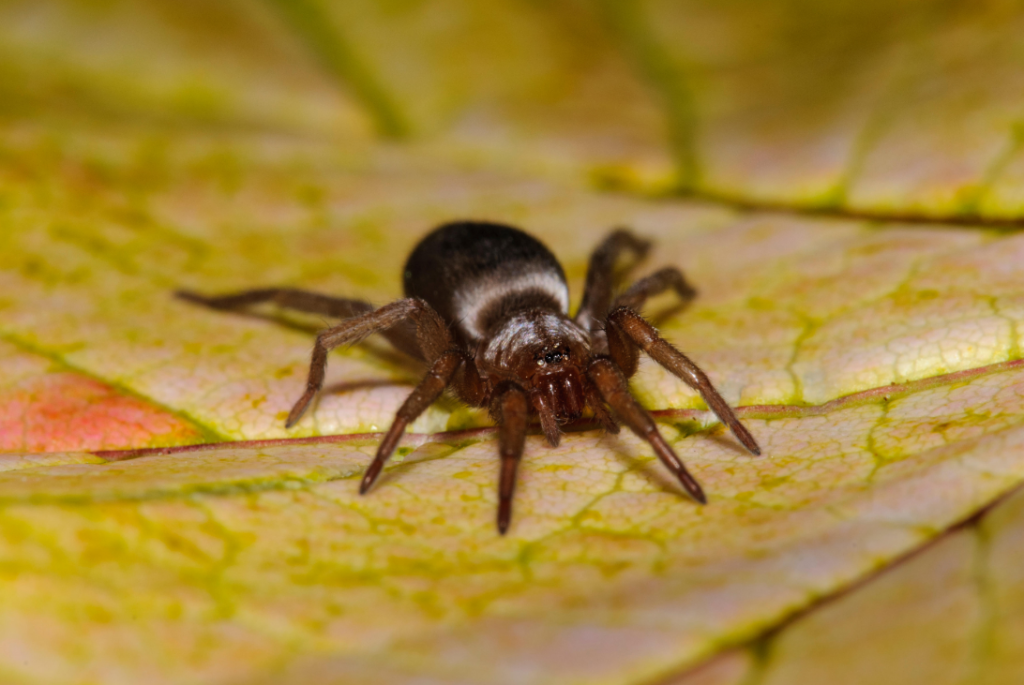
Mouse spiders belong to the Missulena genus and are characterised by their stocky build, dark colouration, and velvety appearance. They are medium-sized spiders, typically ranging from 1 to 1.5 inches in body length. Their eight eyes are arranged in two rows, with the front row consisting of four small eyes and the back row featuring two larger, lateral eyes with two smaller ones in between.
Sexual Dimorphism
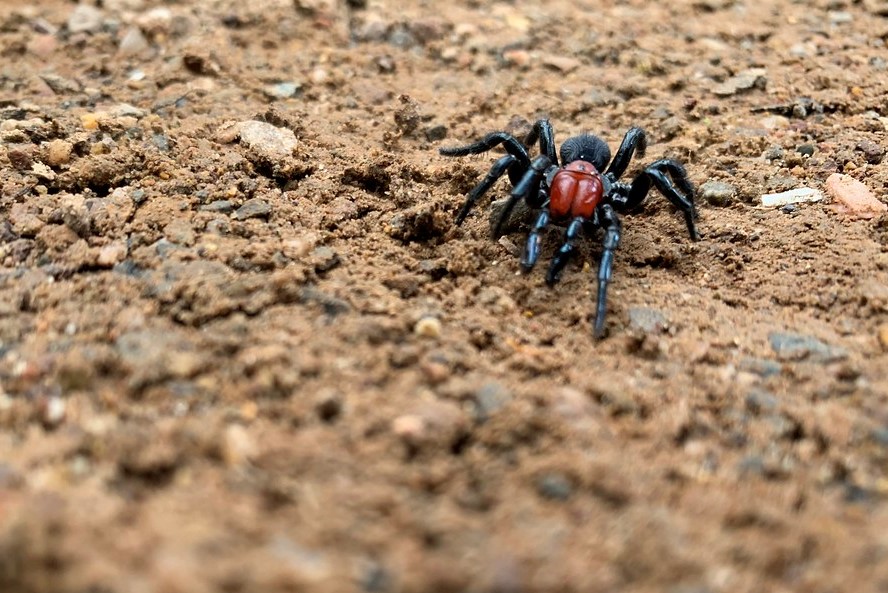
Males and females exhibit noticeable differences in appearance. Males are generally smaller and more slender, with longer legs and more vibrant colouration. Females are larger and stockier, with a duller colouration that ranges from dark brown to black.
Mouse Spider UK Habitat
Preferred Environment
Mouse spiders can be found in various environments, including forests, grasslands, and suburban gardens. They prefer habitats with loose, well-drained soil that allows them to construct their burrows.
Nesting Habits
These spiders create unique, silk-lined burrows that can reach depths of up to 12 inches. The entrance is often covered with a hinged, camouflaged door made of soil and silk, which the spider uses to ambush prey. Females typically remain within their burrows, while males venture out to find mates.
Distribution
Geographic Range
Mouse spiders are primarily found in Australia, with some species also occurring in South America. Their distribution covers various climate zones, from tropical rainforests to arid deserts.
Factors Affecting Distribution
The distribution of mouse spiders is affected by factors such as soil type, vegetation, and climate. They are more likely to be found in areas with suitable burrowing conditions and abundant prey, such as insects and small vertebrates.

Mouse Spider Venom
Toxicity
Mouse spiders are venomous, but while their venom can be toxic, it is not usually considered dangerous to humans. The toxicity of mouse spider venom can vary between different species and individuals, but generally, it is less potent than that of some other spiders, such as the false widow spider or the redback spider.
Symptoms and Treatment
Symptoms of a mouse spider bite may include localised pain, swelling, and redness. More severe symptoms such as nausea, vomiting, and difficulty breathing can occur in rare cases. If bitten, it is crucial to seek medical attention immediately, as antivenom may be required for severe cases. It is also essential to capture the spider, if possible, for identification purposes.
The Mouse Spider’s Behaviour
Hunting Methods
Mouse spiders are primarily ambush predators that rely on their burrows to capture prey. They will wait patiently near the entrance of their burrow with their front legs extended, ready to pounce on unsuspecting prey that ventures too close. Once the prey is within reach, the spider will quickly grab and inject it with venom to immobilise it.
Mating and Reproduction
The mating season for mouse spiders typically occurs in late summer and early autumn. During this time, male spiders will leave their burrows and wander in search of females. Upon finding a female’s burrow, the male will tap on the entrance to signal his presence. If the female is receptive, she will emerge from her burrow, and the pair will mate.
After mating, the female will lay her eggs within her burrow and guard them until they hatch. The spiderlings will then disperse to find their own suitable habitats and construct their burrows.
Mouse Spider FAQ’s
Are mouse spiders aggressive?
Mouse spiders are not considered aggressive, but they may bite if they feel threatened or cornered.
What should I do if I find a mouse spider in my home?
If you encounter a mouse spider in your home, it’s best to carefully capture it using a jar or container and release it outdoors, away from your house. Avoid handling the spider directly, as they may bite if they feel threatened.
How can I prevent mouse spiders from entering my home?
To minimise the chances of mouse spiders entering your home, ensure that any gaps or cracks in walls, doors, or windows are sealed. Additionally, maintaining a clean and clutter-free environment can discourage spiders from taking up residence.
Do mouse spiders have any natural predators?
Yes, mouse spiders have several natural predators, including birds, reptiles, and other larger spiders.
How long do mouse spiders live?
The lifespan of mouse spiders varies by species, but on average, they can live for several years. Female mouse spiders generally have longer lifespans than males.
Conclusion
Mouse spiders are remarkable creatures that exhibit intriguing behaviours and environmental adaptations. By understanding their identification, habitat, distribution, venom, and behaviour, we can better appreciate their role in the ecosystems they inhabit and learn how to coexist with them safely. With their unique burrowing habits and hunting techniques, mouse spiders are a fascinating subject for study and admiration.

Ash is a contributing author who has been writing about wildlife for as long as he can remember. He has a vast knowledge of many different types of animals, from the tiniest shrews to the great whales that live in the deepest oceans.